Surprised by a high water bill or a last-minute inspection request before closing? City water can feel invisible until something goes wrong. If you own or manage a property in Rathdrum, a few simple habits with backflow testing, meter checks, and your annual Consumer Confidence Report can save money and prevent headaches. In this guide, you’ll learn how Rathdrum’s system works, how to stay compliant, and how to spot problems early. Let’s dive in.
Rathdrum water at a glance
Rathdrum’s drinking water comes mainly from the Spokane Valley–Rathdrum Prairie Aquifer, a regional groundwater source shared with northeastern Washington. Because it is groundwater, the system is sensitive to land uses that can introduce contaminants. Good stewardship and basic property maintenance go a long way.
Drinking water rules are set at the federal level under the Safe Drinking Water Act and implemented in Idaho by the Idaho Department of Environmental Quality. The City of Rathdrum Utilities handles day-to-day operations and local compliance for in-city customers, including metering, backflow enforcement, billing, and delivering the annual Consumer Confidence Report. If you are on a private well, you are responsible for your own testing and do not receive a CCR.
Backflow basics and your role
Backflow is the unwanted reversal of water flow that can draw contaminants into the drinking water system through cross-connections. It can occur from backsiphonage when pressure drops, or from backpressure when downstream pressure exceeds supply pressure. Backflow prevention protects public health and your household.
Where devices are used
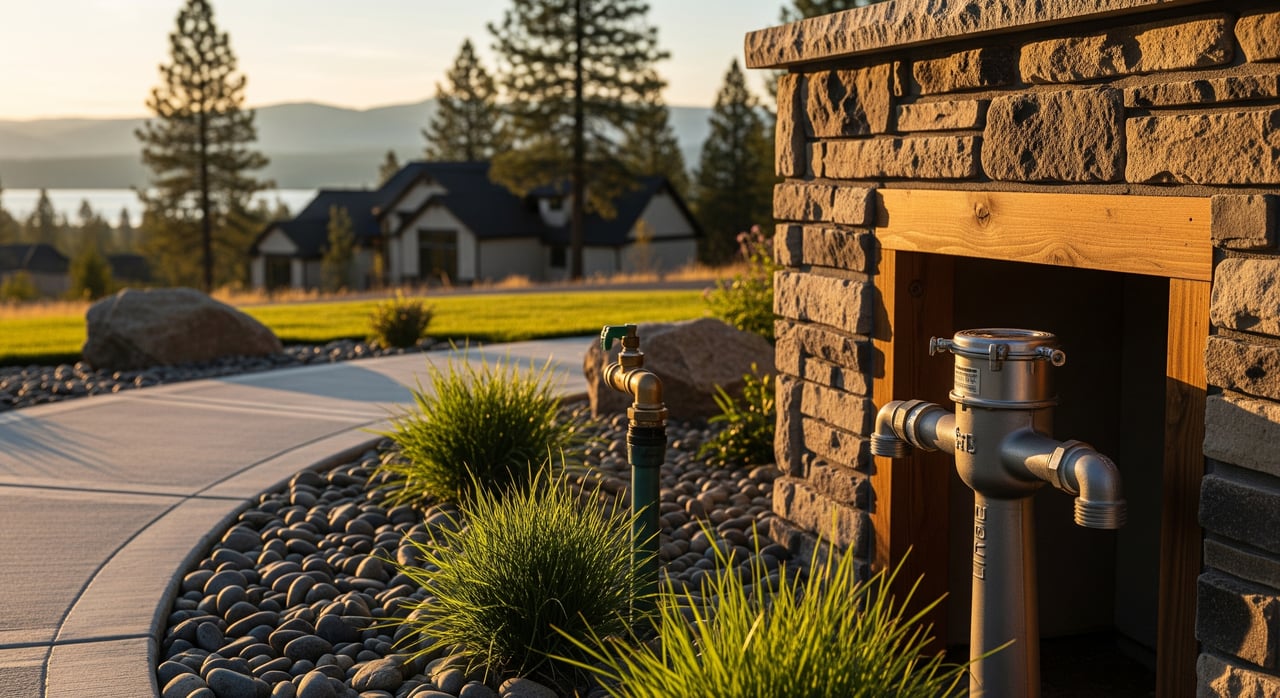
You will typically find backflow assemblies on irrigation systems, boilers, fire lines, and certain commercial connections. Common devices include Reduced Pressure Zone assemblies, Double Check Valve Assemblies, Pressure Vacuum Breakers, and simple hose bib vacuum breakers for outdoor spigots. The device type depends on the hazard level and local code.
Testing and compliance
Across the U.S., required backflow assemblies are tested at installation and then annually, or after any repair. Testing must be performed by a certified backflow tester, and results are usually submitted to the utility on a standard report form. Because specific details vary, confirm with City of Rathdrum Utilities whether annual testing is required for your device, whether the city maintains an approved tester list, and how reports should be submitted.
Keep copies of your test certificates, repair invoices, and device serial numbers. Many utilities expect you to retain records for multiple years. If a device fails, repairs or replacement plus a follow-up test are typically required within a set timeframe.
Hiring a tester
- Ask for the tester’s certification number and a sample report.
- Confirm their report format is accepted by Rathdrum Utilities.
- Verify business insurance and licensing if you are hiring a contractor for irrigation or repairs.
- Clarify who submits the test report and how quickly you will receive a copy.
Costs to expect
Typical annual testing runs about 50 to 150 dollars per device, depending on device type and access. Repairs vary with parts and labor, and a full RPZ replacement can run several hundred dollars or more. Request a written estimate before work begins and confirm whether report submittal to the city is included.
Tips to stay ahead
- Identify every potential cross-connection on your property, including irrigation, boilers, pool fills, and hose spigots.
- Install vacuum breakers on outdoor hose bibs if not present.
- Put your annual test on a recurring calendar reminder.
- Before listing your home, gather current test reports and make repairs early so closing is not delayed.
Reading your water meter
Your meter tracks total consumption and is the best low-tech tool for catching leaks early. In many cities, the utility owns and maintains the meter, while the property owner maintains plumbing on the customer side. Because policies differ, verify who is responsible for meter pits, lids, and damage with the City of Rathdrum Utilities.
Identify your meter type
Meters are usually mechanical with a dial or digital with a numeric display. Most have a small flow indicator, often a triangle or star, that spins with even tiny water movement.
Read it step-by-step
- Turn off all water-using fixtures and appliances. Wait a few minutes for water heaters or ice makers to finish a cycle.
- Locate the meter and note the full reading on the face, including decimals if shown.
- Check the flow indicator. If it is moving when everything is off, there may be a leak.
- Recheck your reading after 24 hours with everything off. Any increase suggests hidden use.
- Compare your reading to the usage on your latest bill. Differences can point to timing or accuracy questions.
Spotting leaks fast
- Continuous movement on the flow indicator while all fixtures are off suggests a leak.
- Unexplained spikes in summer often trace back to irrigation scheduling or a broken sprinkler head.
- Low pressure with no visible leaks can signal a distribution issue. Contact the utility for guidance.
If you think the meter is off
Many utilities allow customers to request a meter accuracy test. A fee or deposit may apply, and deposits are sometimes refunded if the meter is outside the acceptable tolerance. Ask Rathdrum Utilities about procedures, fees, and expected timelines before requesting a test.
Make sense of the annual CCR
Every community water system must deliver a Consumer Confidence Report each year by July 1. The CCR summarizes where your water comes from, what was tested, what was detected, any violations, and health information for sensitive groups. Reading it annually helps you understand system performance and trends.
Where to find Rathdrum’s CCR
Most cities post the CCR on the utilities or public works page and will mail a copy upon request. You can also check Idaho’s public water system information portal. If you cannot find the current CCR, contact City of Rathdrum Utilities and ask for the latest report.
What to scan first
- Contaminant table. Review detected levels and compare them with the federal standards listed. Pay attention to microbial indicators, nitrate, arsenic, disinfection byproducts, and lead and copper monitoring results.
- Violations. Look for any monitoring, reporting, or treatment violations, and read the utility’s explanation and corrective actions.
- Source water notes. The CCR often includes a summary of the wellfield and land uses that can affect the aquifer.
- Health information. Vulnerable populations such as infants and immunocompromised individuals should follow listed precautions.
Interpreting risk
Detection does not automatically mean a health risk. The CCR shows how results compare to regulatory limits. For lead and copper, the report discusses action levels based on home tap samples from a monitoring program, not a single house. If a violation occurs, the CCR will explain health effects and recommended actions.
Private wells vs public water
If you are on a private well, you do not receive a CCR. Arrange periodic testing for bacteria, nitrate, and other relevant parameters, especially after flooding, septic work, or construction nearby.
Compliance checklist for Rathdrum homes
- Identify and document all backflow assemblies. Record serial numbers, locations, and last test dates.
- Schedule annual backflow testing with a certified tester, and keep copies of all reports and repair invoices.
- Confirm meter ownership and responsibilities. Learn how to read your meter and check the flow indicator monthly.
- Retrieve the current CCR by July 1 each year. Save a copy and note any contaminants, violations, or system changes.
- Keep a yearly water calendar. Include spring irrigation checks, mid-summer leak checks, and a year-end meter read.
- Before sale or transfer, provide recent backflow tests, meter records, and the latest CCR to buyers or their inspectors.
Troubleshooting and who to call
- Step 1: Recheck your home and irrigation for visible leaks. Confirm the meter’s flow indicator while all indoor water is off.
- Step 2: Contact City of Rathdrum Utilities to report high usage, low pressure, discolored water, or sudden changes. Ask about any advisories or known system work.
- Step 3: If you suspect bacteria or contamination, follow the utility’s guidance. For private wells, consider independent lab testing based on county and state recommendations.
- Step 4: For ongoing issues that are not resolved, contact the Idaho Department of Environmental Quality or Kootenai County environmental health for further guidance.
Real estate tips for buyers and sellers
If you are selling, handle water compliance early. Gather backflow test certificates, repair receipts, and the latest CCR so you can answer buyer questions. Fix failed devices before listing to avoid escrow delays.
If you are buying, ask for recent backflow test reports, utility billing history, and any meter service records. Compare usage patterns by season and ask the seller about irrigation schedules. If you plan to add irrigation or a pool, budget for the appropriate backflow assembly and annual testing.
Red flags to act on now
- The meter’s flow indicator moves when all fixtures are off.
- A sudden jump in your bill without a known change in use.
- Discolored or bad-tasting water, or a persistent chlorine odor.
- Repeated boil-water notices, or a CCR that lists contaminants above regulatory limits.
- Missing or expired backflow test certificates for required devices.
Ready for local guidance that fits your home and plans? Connect with our team for a quick, practical checklist you can use right away. Schedule your next move with the neighborhood expertise you deserve through Cross Realty.
FAQs
How often must backflow devices be tested in Rathdrum?
- Many utilities require annual testing after installation or repair, but you should confirm Rathdrum’s specific requirement and reporting process with City of Rathdrum Utilities.
What should I do if my backflow test fails?
- Arrange prompt repair or replacement, then complete a follow-up test and submit the passing report to the utility within the required timeframe.
How do I find Rathdrum’s latest Consumer Confidence Report?
- Check the City of Rathdrum Utilities website or request a mailed copy; if you cannot locate it online, call the utility and ask for the current CCR published by July 1.
Can my water meter be inaccurate and can I get it tested?
- Yes, utilities typically offer meter accuracy testing; ask Rathdrum Utilities about procedures, fees or deposits, and the acceptable accuracy tolerance.
Do private well owners in Kootenai County receive CCRs?
- No. CCRs apply to community water systems. Private well owners must arrange their own testing for bacteria, nitrate, and other parameters at recommended intervals.