Timing your sale in Spokane Valley can feel tricky. You want a fast, solid offer without leaving money on the table. The good news: today’s market gives you options if you use fresh local data and a clear plan. In this guide, you’ll learn when to list, how rates affect buyer demand, and the exact prep steps to take so you launch with confidence. Let’s dive in.
Spokane Valley market now
Inventory and demand
Spokane County sits near a balanced market with about 3.0 months of inventory as of February 2026. That level typically tilts slightly toward sellers without the frenzy of past years. You can see the most recent counts and trends in the Spokane REALTORS market activity report.
For context, industry guidance considers roughly 4 to 6 months of supply balanced. Less than that often favors sellers. The NWMLS February snapshot points to 4 to 6 months as balanced and notes year-over-year inventory growth across much of Washington.
Prices and pace
Across Spokane Valley, typical home values generally land in the high 300-thousands to low 400-thousands, with sub-areas like Greenacres and nearby neighborhoods varying by age, size, and condition. Days on market are measured in weeks to a couple of months, not days. Pending sales and active listings both increased heading into spring 2026, which signals steady buyer activity along with more selection. Use current MLS comps for your neighborhood to price with precision and set realistic timing.
Best months to list
Spring effect in Spokane Valley
Historically, buyer traffic rises in spring, with late March through May often delivering faster sales and stronger offers. In 2026, that seasonal lift meets a market with more inventory than the tightest years. The NWMLS February report shows inventory up year over year in many counties, so you will likely face a bit more competition even as more buyers head out.
Who should list now vs wait
- If you need to move in the next 60 to 90 days, list now. Prepare thoroughly and price competitively to catch active buyers already touring.
- If you are flexible and want to maximize price, plan for a late March to May launch. Complete prep early so you stand out when more sellers hit the market.
- If similar homes in your price band are already stacking up, consider listing slightly earlier than the crowd, especially if your home is turnkey. Ask your agent for active, pending, and sold counts in your zip and price range using the local MLS report.
Rate watch and your timing
Mortgage rates shape the size of the buyer pool. The 30-year fixed averaged about 6.11% for the week ending March 12, 2026, per Freddie Mac’s PMMS. If rates ease toward 6 percent, more buyers typically qualify and feel confident moving ahead.
National research highlights Spokane as a Western market that could benefit from improved affordability if rates trend lower. That dynamic can make a spring listing more productive if rates hold or fall. See the buyer-opportunity profile in NAR’s report on housing hot spots.
Seller strategies that work now
Pricing and presentation
With around 3 months of supply countywide, spot-on pricing and a strong first two weeks on market are critical. Use a hyperlocal CMA and 90-day trend for your price band to set your list price. If showings or feedback lag in week one, adjust quickly rather than waiting. The Spokane REALTORS trend report is your baseline for comps and neighborhood patterns.
Staging and photography still move the needle. According to NAR’s staging research, most listing agents recommend decluttering and targeted staging, which can reduce days on market and improve offer quality. Review the data in NAR’s Profile of Home Staging.
Concessions and buydowns
Many buyers are payment-sensitive. Instead of a price cut, you can offer a temporary rate buydown or a closing-cost credit. A 2-1 buydown, for example, lowers the buyer’s rate for the first two years and can make your home more affordable without changing the contract price. Program rules and caps vary by loan type, so coordinate with your agent and lender. Learn the mechanics of buydowns from this temporary buydown overview.
If you need to buy too
You have three common paths:
- Sell first, then buy. Stronger buying power, but you may need a short-term rental or leaseback.
- Buy first with a bridge loan or HELOC. Removes the sale contingency but adds carrying costs.
- Use a buy-before-you-sell service. Adds fees but can create certainty and better negotiating power.
Walk through pros, cons, and cost impacts in this guide to buying and selling simultaneously.
6–12 month prep plan
6–12 months out
- Hire a local listing agent and request a market-ready CMA plus a 90-day trend for your exact price band and zip. County MLS data is the foundation. Start with the Spokane REALTORS report.
- Schedule big-ticket repairs early. Roof, HVAC, and major system fixes are easier to complete before spring contractor backlogs.
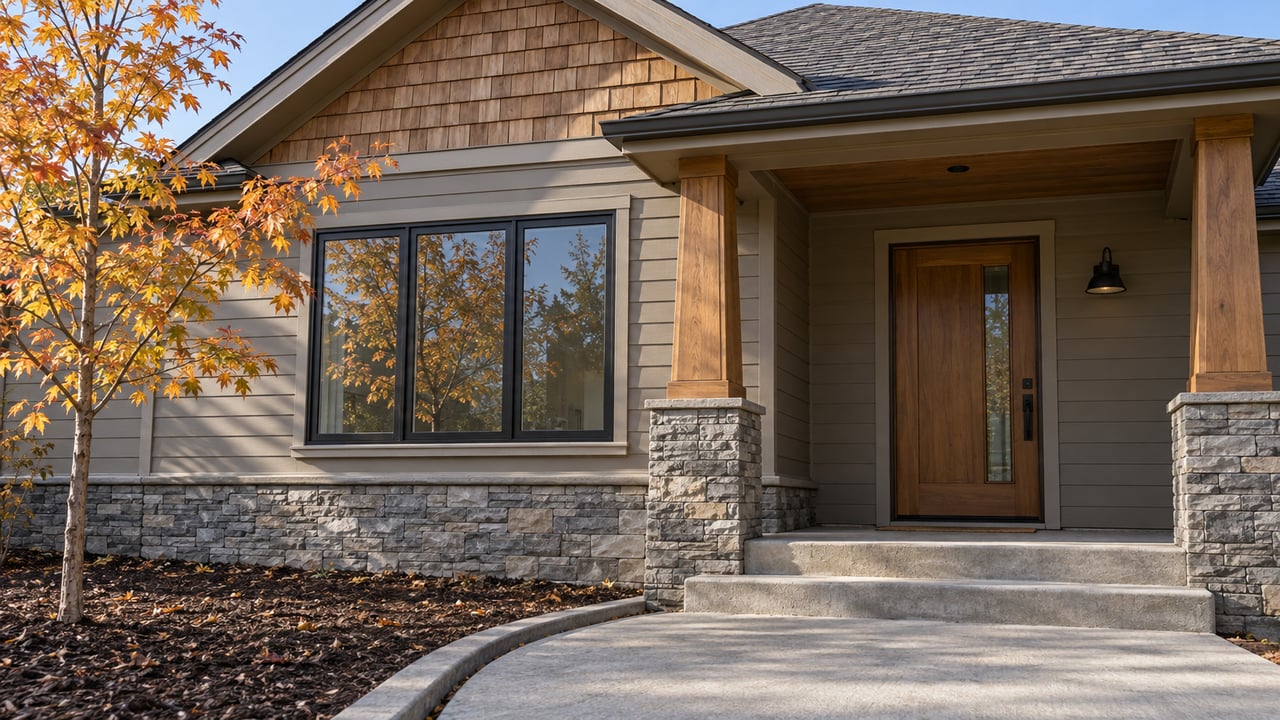
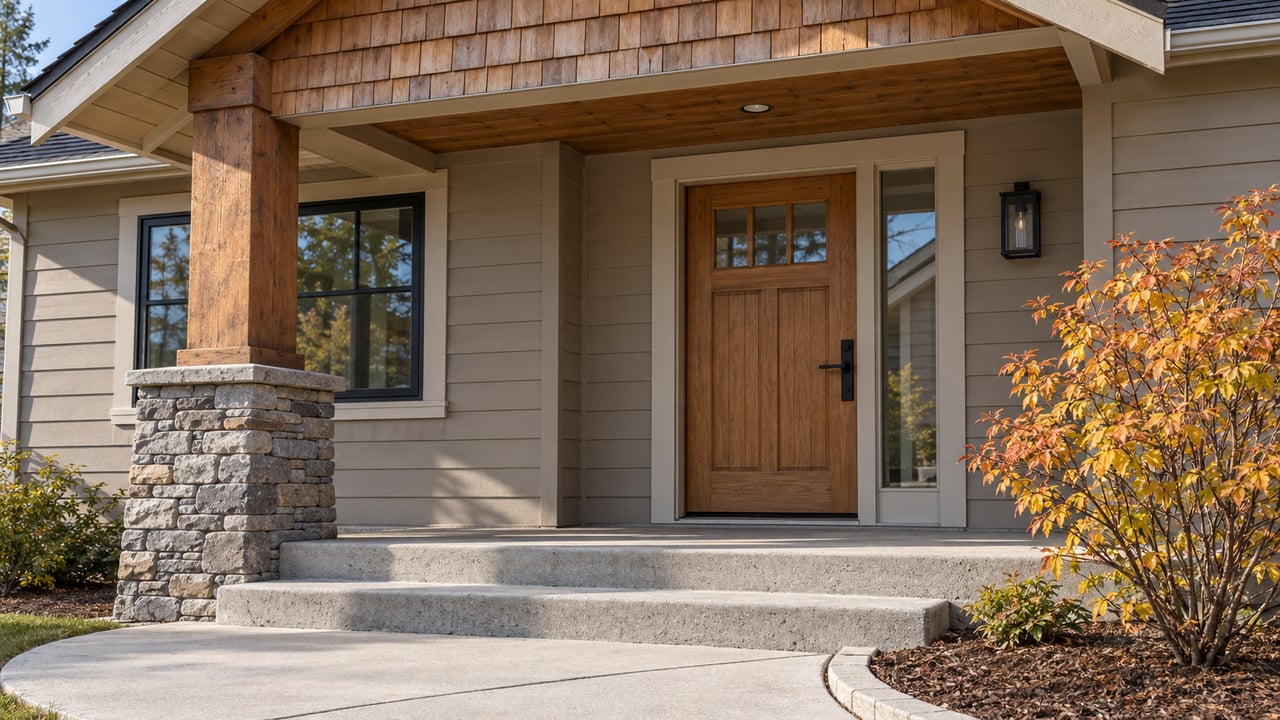
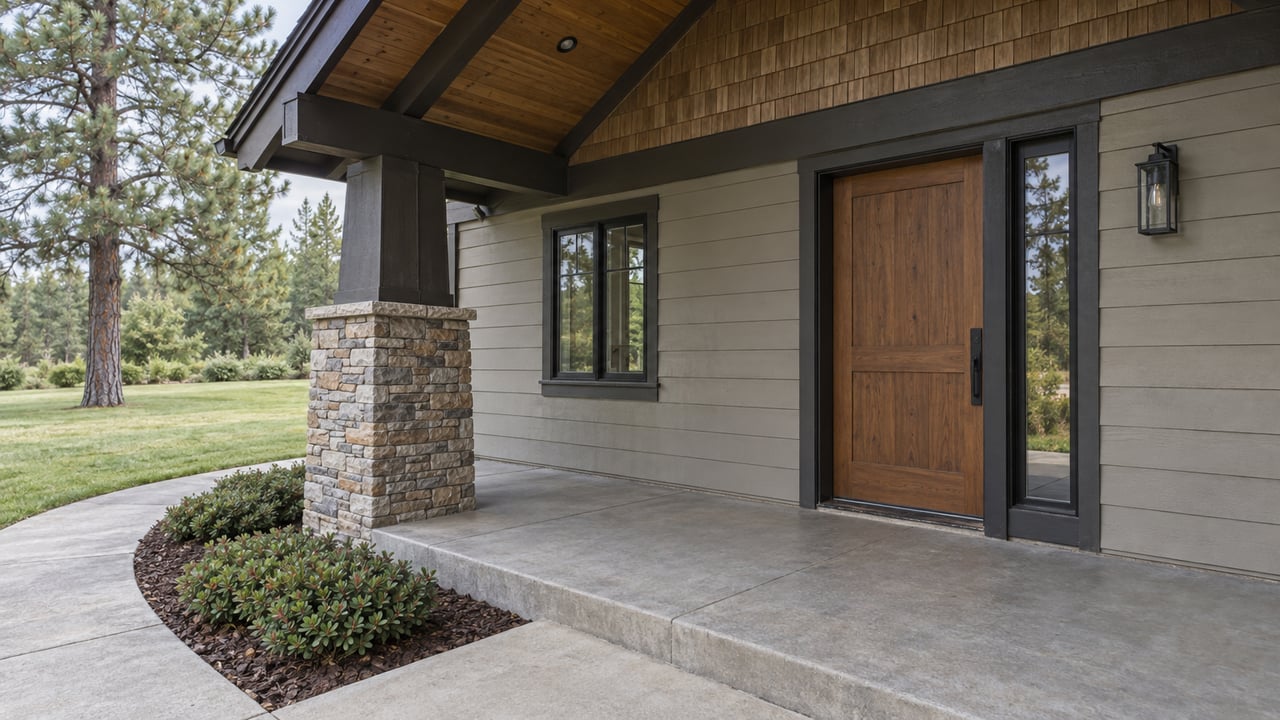
- Tackle projects with proven resale ROI. Exterior upgrades like door replacements, paint, and curb appeal often rank high. See recoup rates in this Cost vs. Value analysis.
3–6 months out
- Do a pre-listing checkup. A proactive inspection or systems review can help you fix surprises before buyers see them.
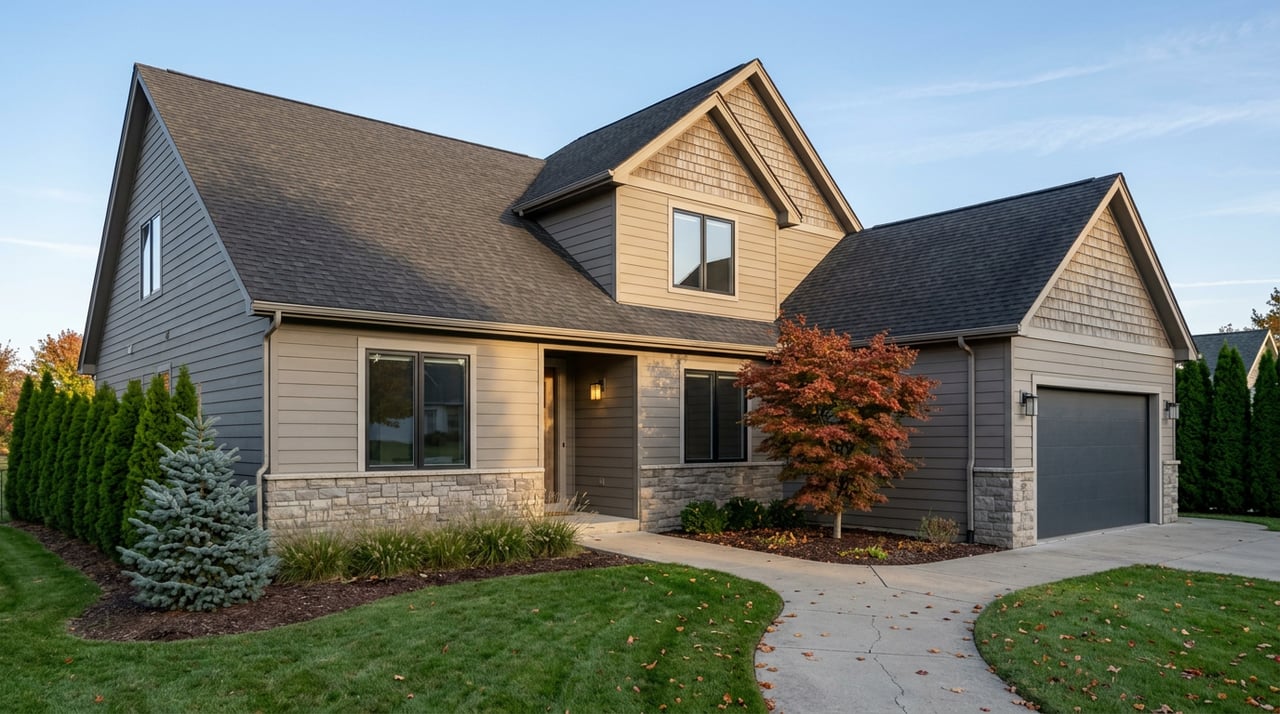
- Refresh the look. Targeted paint, lighting, landscaping, and minor kitchen or bath updates can deliver an outsized impact.
- Declutter and stage. NAR research shows 91 percent of seller agents recommend decluttering as a top step. Map a plan using the staging report.
1–8 weeks out
- Finalize staging and book photography. Spring calendars fill fast, so lock in dates early.
- Pull documents. Permits, warranties, HOA docs, and utility bills help buyers feel confident.
- Prepare Washington Form 17 disclosures. Washington’s seller disclosure rules give buyers certain protections tied to delivery timing. Review the statute language and timing in this Form 17 reference. Consult your broker or attorney on specifics.
Quick decision guide
Use these checks to choose between listing now or waiting a few weeks:
- Personal timeline. If you must close within about 90 days, list now and price for a timely sale.
- Your price band inventory. If similar homes are scarce and DOM is shortening, list now. If your band is crowded, prep to shine and consider the early-spring window.
- Rate trend. If weekly rates are easing from current levels, spring demand could widen. Track the Freddie Mac PMMS before launch.
- Neighborhood comps. Recheck MLS data and showing trends just before you go live using the local MLS report.
Ready to plan your move?
Spokane Valley is close to balanced, with about 3 months of supply and steady buyer activity. If your timeline is tight, you can sell successfully right now with the right price and presentation. If you are flexible, prepare thoroughly and target the late March to May window, then fine-tune your go-live date using fresh local comps and the weekly rate trend.
If you want a tailored plan, get a neighborhood-specific 90-day CMA, staging roadmap, and timing recommendation from Ray Cross. Schedule a Free Consultation and we will map the exact week to list, the projects to prioritize, and the marketing plan to maximize your results.
FAQs
What is the best month to sell in Spokane Valley in 2026?
- Late March through May often sees the strongest buyer traffic, but check current inventory and rates the week you plan to list for the best timing.
How long are Spokane Valley homes taking to sell right now?
- Plan for a timeline measured in weeks to a couple of months depending on price, condition, and neighborhood based on current MLS trends.
Should I wait for mortgage rates to drop before listing in Spokane Valley?
- If rates trend down, buyer demand may increase, but you can still sell well now with strong pricing, staging, and targeted concessions if needed.
What seller concessions are most effective locally?
- Seller-paid closing costs or a temporary rate buydown can improve buyer affordability without cutting your price; coordinate with your lender and agent.
What disclosures are required for Washington sellers?
- Most residential sellers must deliver a Form 17 disclosure within required timelines; consult your broker or attorney for delivery rules and exceptions.
How do I sell in Spokane Valley and buy my next home?
- Options include selling first, buying first with bridge financing, or using a buy-before-you-sell program; compare costs and timing with your agent and lender.