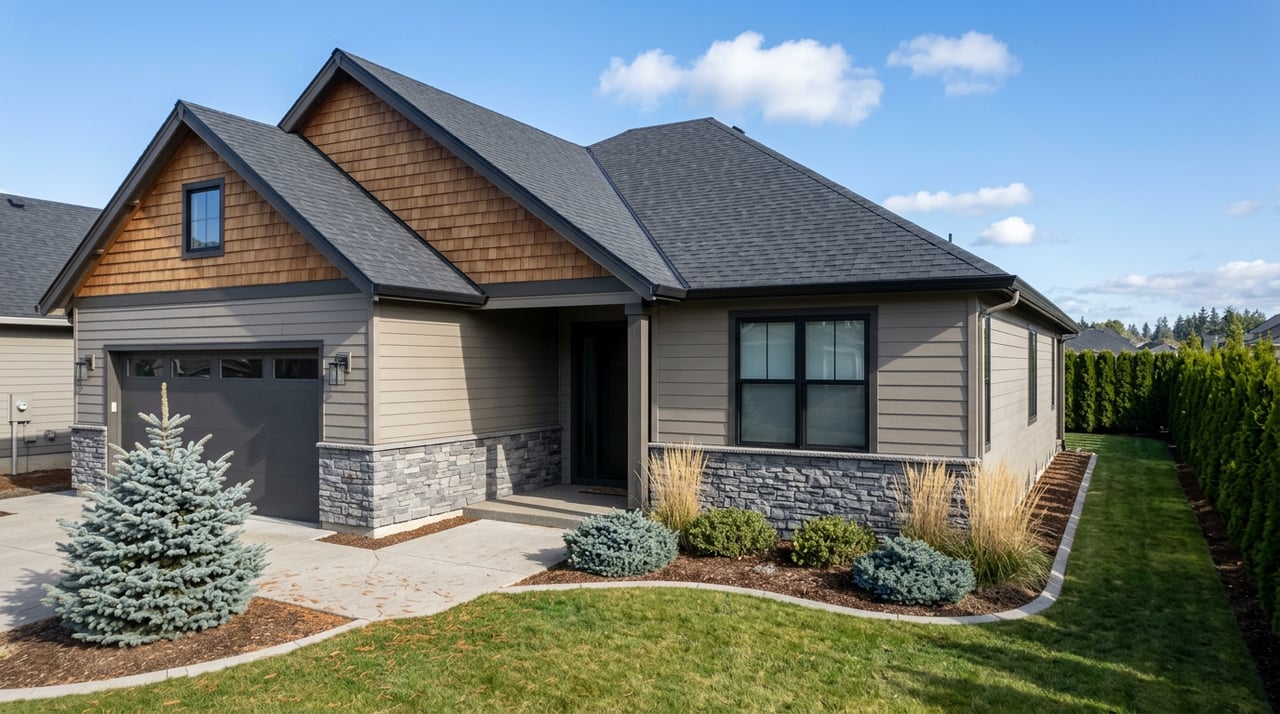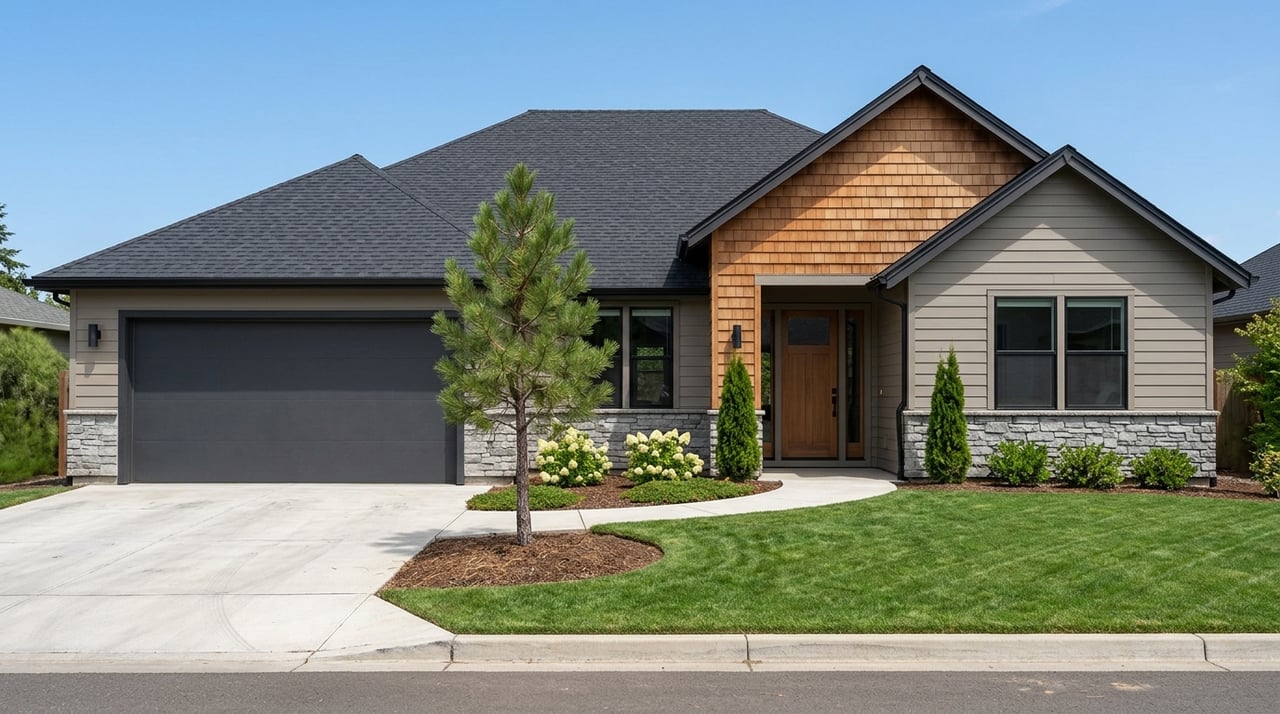
Wondering why selling a second home in Coeur d'Alene can feel more complicated than selling your primary residence? You are not imagining it. Between tax considerations, Idaho disclosure rules, seasonal timing, and the logistics of managing a property from out of town, there are a few extra moving parts to get right. The good news is that with the right prep, you can make the process smoother, clearer, and less stressful. Let’s dive in.
Why a second home sale is different
Selling a second home is not always a simple repeat of your last sale. If the property was used as a vacation home, rental, or for business purposes, the tax treatment can be different from the sale of a primary residence.
For federal tax purposes, the home-sale gain exclusion generally applies only to a main home. IRS Publication 523 explains that if you own more than one home, you must use a facts-and-circumstances test to determine which one is your main home. If your Coeur d'Alene property was not your principal residence, your taxable gain may be affected.
That difference matters even more if the home was ever rented or used for business. Depreciation claimed for rental or business use generally cannot be excluded from gain and may need to be recaptured. In practical terms, that means your records are just as important as your listing strategy.
Start with your records
Before you think about photos, pricing, or showings, gather your paperwork. A second-home sale often moves more smoothly when you have the property history organized from the start.
Focus first on records tied to ownership and use. That can include improvement receipts, depreciation records, rental history, permit history, survey documents, easement records, HOA documents, and septic or well information if those apply to your property.
If the home has been lightly used, vacant for stretches, or winterized seasonally, buyers may have more questions about current condition. Having records ready helps reduce uncertainty and makes it easier to answer those questions quickly.
Understand Idaho disclosure requirements
In Idaho, seller disclosures are a key part of the process. The Idaho RE-25 Seller’s Property Condition Disclosure Form applies to residential real property with one to four dwelling units, including mixed residential and commercial property in some cases.
The form states that sellers must complete the disclosure and deliver it within 10 calendar days after acceptance of the buyer’s offer. That timeline means it is smart to review the form early, not after you are already under contract.
This form is also a practical roadmap for pre-listing prep. It asks about many of the same topics buyers will focus on, including:
- Heating and cooling systems
- Fuel tanks
- Mold and moisture
- Water source and septic details
- Roof damage or leaks
- Siding problems
- Hazardous materials
- Pest infestations
- Easements
- HOA membership
- Private roads or shared road agreements
- Surveys
- Unpermitted additions
Reviewing these items before listing can help you spot issues, gather supporting documents, and avoid last-minute surprises.
Prep a seasonal or lightly used home
Second homes in Coeur d'Alene are often used seasonally, especially properties tied to lake living or outdoor recreation. If your home has sat vacant through part of the year, a little extra prep can go a long way.
Start by turning on utilities early enough to test everything before photos and showings. You want time to confirm that the HVAC, plumbing, appliances, and basic systems are working as expected.
It is also wise to check for signs of moisture, stale air, or odors. A home that has been closed up over winter may need ventilation, cleaning, and small maintenance work to show at its best.
A solid pre-listing checklist may include:
- Turning on all utilities
- Testing HVAC and plumbing systems
- Checking for leaks, moisture, or musty odors
- Confirming smoke and carbon-monoxide detectors are working
- Servicing the roof and gutters after winter
- Scheduling a deep clean before photography
These steps align well with the condition categories Idaho buyers often review closely during the sale process.
Be ready for older-home disclosures
If your Coeur d'Alene home was built before 1978, lead-based paint disclosure requirements may apply before sale. That is an important step to handle early so your listing process does not get delayed.
If the property is within the Bunker Hill and Coeur d'Alene Basin area, known lead hazards in soil, dust, or paint must also be disclosed. For sellers of older cabins, cottages, or long-held family properties, it is worth confirming whether any site-specific lead-hazard documents should be included in your disclosure packet.
Getting those materials together in advance can help you respond clearly to buyer questions about inspections, repairs, or mitigation.
Choose timing with Coeur d'Alene in mind
Timing matters in any market, but it can be especially important for a second home in Coeur d'Alene. The area has a strong seasonal rhythm, and that can affect how buyers experience your property.
Summer is when many of the city’s recreational features are most visible and active. Visit Coeur d'Alene highlights boating, beaches, weekly concerts, the 4th of July parade and fireworks, Live After 5, the weekly farmers market, Art Walk, and free carriage rides during the season. City parks information also notes that some amenities are seasonal, with restroom access and splash pads operating on limited annual schedules.
For lakefront, waterfront, or outdoor-focused homes, late spring through summer can be an effective time to list. Buyers can better see the yard, patio, dock, trails, and nearby amenities in active use, which can make the property easier to understand and appreciate.
That said, timing should still match your goals, property type, and condition. A well-prepared home can sell in different seasons, but showcasing lifestyle features is often easier when the property is fully accessible and looking its best.
Use local market data to set expectations
A second home may not track perfectly with the broader market, especially if it is waterfront, luxury, or highly seasonal. Still, county-level data can help frame the conversation and set realistic expectations.
According to the Coeur d’Alene Regional REALTORS’ March 2026 Kootenai County single-family snapshot, the median home price was $545,000, there were 778 active residential listings, average days on market were 97, and 507 homes had sold year to date.
That does not mean your property will perform exactly at those averages. It does mean buyers likely have options, and pricing, presentation, and timing all matter. For second homes, especially unique properties, local strategy matters more than one-size-fits-all assumptions.
Plan for an out-of-town sale
If you do not live full-time in Coeur d'Alene, the sale process needs to be easy to manage from wherever you are. In most cases, that comes down to three things: documentation, access, and condition.
Documentation means having your key property records organized and ready. Access means making it easy for qualified buyers and their agents to view the home. Condition means keeping the property clean, functional, and show-ready even when you are not nearby.
For many remote sellers, a local listing agent becomes the coordination hub. That can include managing showing requests, communicating with buyer agents, helping organize access, and keeping the transaction moving while you are out of town.
You may also want a local point person for practical needs that come up on short notice. That could include checking on the property, handling a service appointment, or helping address a last-minute issue before an inspection or closing.
Make the home easy to verify
Buyers tend to feel more confident when a second home is easy to understand. The more clearly you can show the home’s condition, systems, documents, and history, the easier it is for a buyer to move forward.
That is especially true when the home has special features like private road access, shared agreements, HOA rules, septic systems, wells, or seasonal systems. These details are not necessarily problems, but they do require clear documentation.
A smooth second-home sale often comes down to a simple goal: make the property easy to show, easy to verify, and easy to close. When you do that, you reduce friction for buyers and protect your own timeline.
Selling a second home in Coeur d'Alene involves more than putting a sign in the yard. It takes thoughtful prep, complete records, smart timing, and a local plan for handling the details. If you want tailored guidance on pricing, property prep, and managing a remote sale, connect with Ray Cross for a personalized consultation.
FAQs
What makes selling a second home in Coeur d'Alene different from selling a primary residence?
- A second home sale may involve different tax treatment, added documentation, seasonal timing considerations, and extra logistics if you live out of town.
When should you list a second home in Coeur d'Alene?
- Late spring through summer can be a strong window for many second homes, especially waterfront or outdoor-focused properties, because buyers can better experience the property and seasonal amenities.
What disclosures are required when selling a home in Idaho?
- For many residential properties with one to four dwelling units, Idaho requires a seller’s property condition disclosure form to be delivered within 10 calendar days after the buyer’s offer is accepted.
What should you check before listing a seasonal home in Coeur d'Alene?
- Turn on utilities, test HVAC and plumbing, check for leaks or moisture, confirm detectors are working, inspect roof and gutters, and deep clean before photography and showings.
What records should you gather before selling a second home in Coeur d'Alene?
- Useful records include improvement receipts, rental and depreciation history, permit files, HOA documents, septic or well information, surveys, easements, and notes about known property conditions.
What if your Coeur d'Alene second home was built before 1978?
- You may need to complete lead-based paint disclosures, and if the property is within the Bunker Hill and Coeur d'Alene Basin area, known lead hazards in soil, dust, or paint must also be disclosed.