Thinking about moving to Post Falls and wondering if it really offers the best of both worlds? That question comes up a lot, especially if you want everyday convenience without giving up access to trails, riverfront parks, and a more grounded community feel. The good news is that Post Falls stands out as a place where you can stay connected to the larger Inland Northwest while still enjoying a city shaped by outdoor access and a historic local identity. Let’s dive in.
Why Post Falls Stands Out
Post Falls is not just a pass-through between Coeur d’Alene and Spokane. It has its own identity, shaped by its historic mill and railroad roots, a growing city center, and a long-term goal of preserving a small-town feel.
That balance matters if you want a place that feels active but not overwhelming. Census QuickFacts estimates Post Falls at 46,715 residents in 2025, up from 38,485 in the 2020 Census, which shows steady growth without losing the community character many buyers look for.
Big Access Without Big-City Pace
One of the biggest draws in Post Falls is location. I-90 runs through the area and makes it easy to head east toward Coeur d’Alene or west toward Spokane, which gives you regional flexibility for work, errands, and day trips.
The city also has a mean commute time of 24.1 minutes, according to Census QuickFacts. That helps reinforce Post Falls as a practical home base if you want access in multiple directions without committing to a more urban setting.
Trail Connections Add Everyday Convenience
Driving is only part of the picture. The North Idaho Centennial Trail runs east-west through Post Falls and extends into both Spokane and Coeur d’Alene, adding another layer of connectivity for biking, walking, and recreation.
For many buyers, that kind of access changes how a place feels day to day. It means outdoor time is not just something you plan for on weekends. It can be part of your normal routine.
Outdoor Life Is Part of Daily Living
If you picture Post Falls as mostly suburban, the park and trail system tells a bigger story. The city has 36 parks, more than 900 acres of park land, 38 miles of trails, 3 splash pads, 16 playgrounds, and 112 climbing routes.
That is a strong amenity base for a city of this size. It supports an outdoor lifestyle that feels built into the community rather than added on later.
Spokane River Access Shapes the Lifestyle
The Spokane River is one of Post Falls’ defining features, but the most accurate way to think about it is through public access rather than continuous waterfront living. That distinction matters because what many residents enjoy most is easy access to parks, views, trails, and recreation points along the river.
Q’emiln Park is one of the best-known examples. Located south of the river at the Spokane Street Bridge, it includes a guarded beach, boat launch, climbing walls, and access to the Community Forest.
Black Bay Park on East 3rd Avenue adds fishing access, Spokane River views, and direct connections to the Centennial Trail. Falls Park, west of Spokane Street off 4th Avenue, offers a fishing pond and views of the dam and gorge.
Ross Point Day Use Site is another public access option for fishing, swimming, kayaking, and paddleboarding. If your ideal home base includes easy ways to get outside, Post Falls makes that a realistic part of everyday life.
What Housing Looks Like in Post Falls
Post Falls is a predominantly owner-occupied market, with a 64.1% owner-occupied housing rate according to Census QuickFacts. For buyers, that can signal a community with a strong base of long-term residents and a wide range of residential areas.
When it comes to home values, the safest way to describe the market is as a range. Census QuickFacts lists a median owner-occupied value of $477,400, while the city’s March 2025 housing review reported a median home value around $500,000.
Because those figures come from different sources and time periods, it is better to think of Post Falls as a market centered around the upper $400,000s to about $500,000. That range gives you a more grounded snapshot than relying on a single number.
You Will Find More Than One Home Type
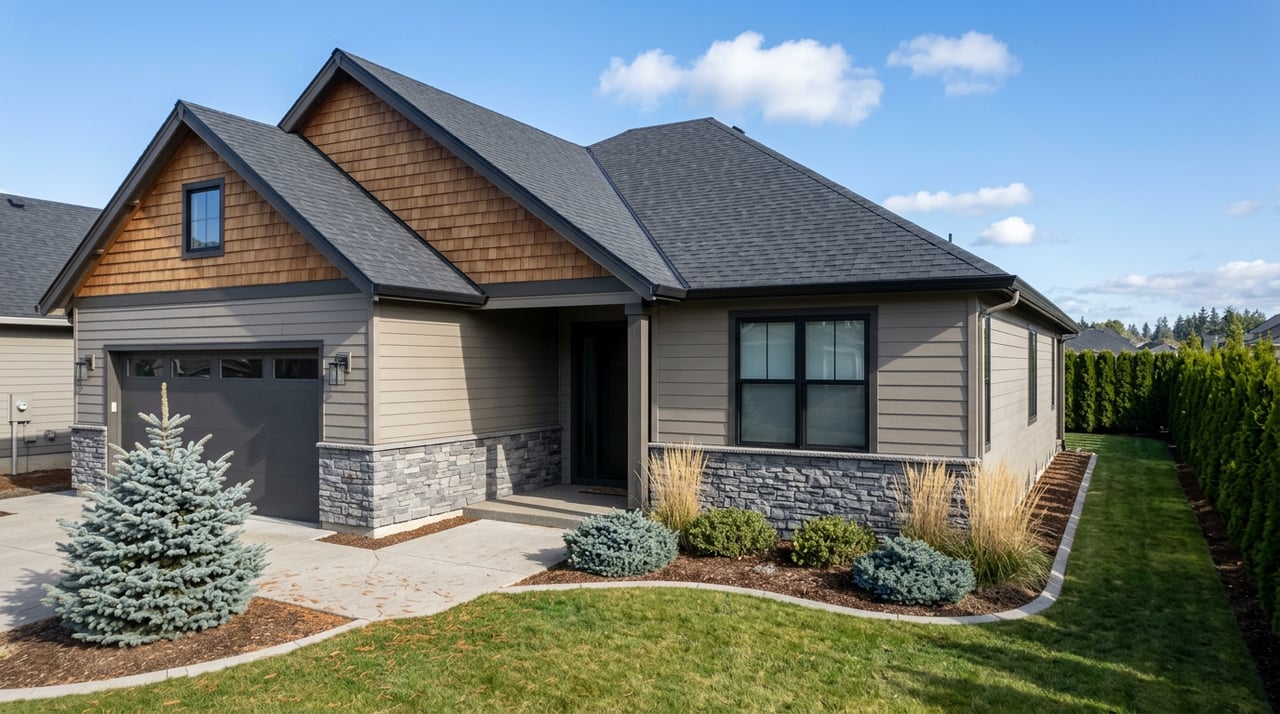
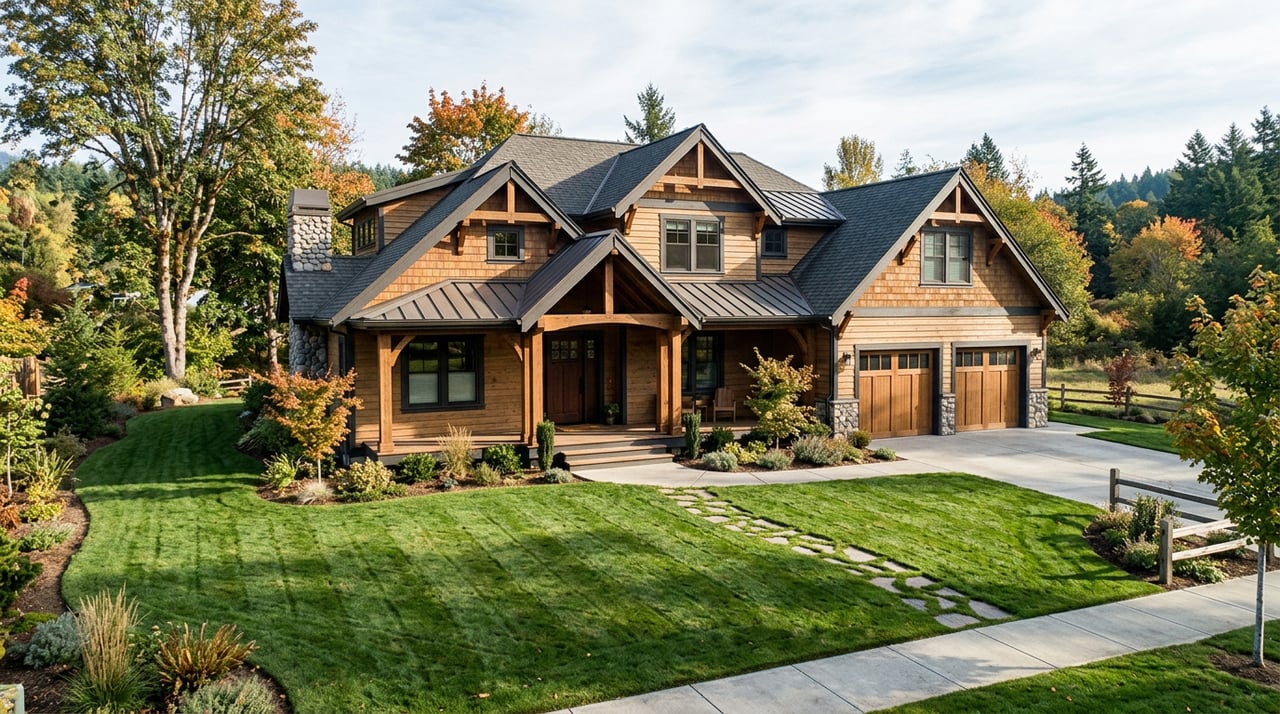
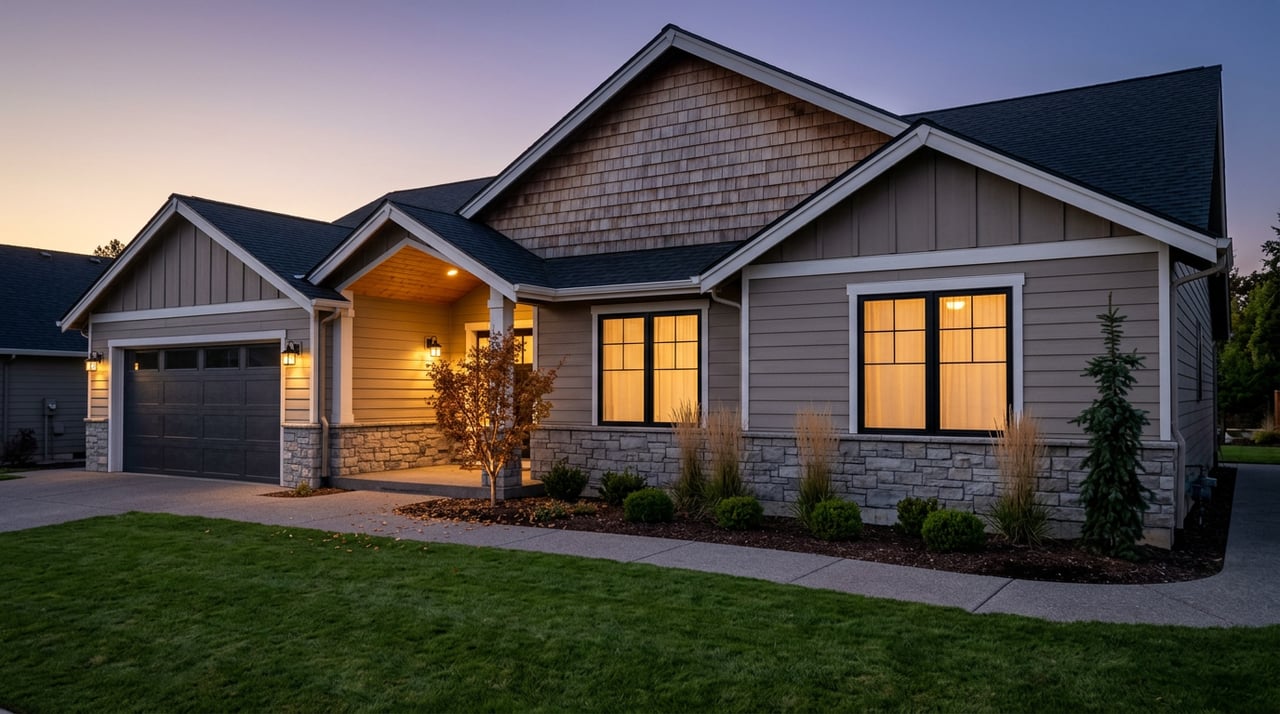
Post Falls is not limited to one style of housing. City housing research shows demand for detached single-family homes, homes with attached apartments, duplexes, triplexes, fourplexes, cottages or tiny homes, and condos or HOA-style homes.
The city also allows accessory dwelling units, or ADUs, as either attached or detached secondary dwellings on single-family lots. If flexibility matters to you, that adds another layer to the housing conversation.
Different Parts of Post Falls Feel Different
One of the most helpful ways to understand Post Falls is by looking at how different parts of the city function. Rather than treating the whole area as one uniform market, it makes more sense to think in terms of setting, access, and housing pattern.
City Center Offers Historic In-Town Convenience
Around Spokane Street and 4th Avenue, the city center reflects Post Falls’ historic identity. City planning documents support pedestrian connections, nearby retail shops and services, and a residential core in the southern part of the district.
If you like older in-town homes, central convenience, and a more compact feel, this part of Post Falls may stand out. It is also an area where infill residential development is encouraged east of Spokane Street.
River Corridor Feels Recreation-Focused
Near Q’emiln Park, Black Bay Park, and Falls Park, the appeal is closely tied to outdoor access. This area is less about a continuous waterfront housing market and more about living near public spaces that connect you to the river, trails, and scenic views.
For buyers who want to walk, bike, fish, paddle, or simply spend more time outside, this corridor can feel especially appealing. It captures a big part of what makes Post Falls different from a more typical commuter suburb.
Outer Areas Reflect Newer Growth
Newer subdivision-style growth is easier to spot in outer areas and along key corridors like Highway 41. Beck Park, for example, sits within the Prairie Meadows residential development north of Poleline Avenue, which helps illustrate this pattern.
The Highway 41 corridor is also planned as a mixed-use connection between Post Falls and Rathdrum. If you want a more auto-oriented setting, newer housing stock, or convenient commuter positioning, these areas may fit your goals better.
How Post Falls Compares in Everyday Feel
For many buyers, the question is not just what Post Falls has, but how it feels. Compared with nearby cities, Post Falls often stands out for its mix of accessibility and ease.
You get a city with real recreation assets, a visible local identity, and practical regional mobility. That combination can be especially attractive if you want North Idaho living with less emphasis on being in the center of a busier destination market.
Who Post Falls Often Fits Best
Post Falls can appeal to several types of buyers because it offers a mix of housing, outdoor amenities, and location advantages. If you are trying to picture whether it matches your lifestyle, these are some of the most common reasons people look here:
- You want quick access to both Coeur d’Alene and Spokane
- You value parks, trails, and river access as part of daily life
- You are looking for a market with a range of home types
- You want options between older in-town areas and newer growth corridors
- You are relocating and need a city that is easy to learn and navigate
That does not mean every neighborhood feels the same. It means Post Falls gives you several ways to live, depending on whether you care most about central convenience, recreation access, or newer development.
Why This Matters for Buyers and Sellers
If you are buying in Post Falls, it helps to look beyond price alone. The right fit often comes down to how you want to live day to day, whether that means trail access, commute convenience, or a home in a newer growth area.
If you are selling, understanding these differences can also shape how your home is positioned. A home near the river and trail system tells a different story than one in a newer corridor community or near the city center.
That local context is where good guidance matters. Post Falls is growing, but it is not one-size-fits-all, and the details of location can have a real impact on how buyers view value and lifestyle.
If you are considering a move to Post Falls, working with a team that understands the city’s neighborhood patterns, buyer preferences, and regional connections can make your next step much clearer. Ray Cross can help you explore Post Falls with a local, relationship-first approach that keeps your goals front and center.
FAQs
What is living in Post Falls like for daily life?
- Living in Post Falls means balancing a smaller-city feel with strong regional access, public river recreation, a large park system, and practical commuting options via I-90.
What makes Post Falls different from Coeur d’Alene?
- Post Falls is best understood as its own Inland Northwest community with a historic local identity, strong public outdoor access, and a more understated day-to-day feel while still staying connected to the larger region.
What kinds of homes are common in Post Falls?
- Post Falls includes detached single-family homes, attached-apartment setups, duplexes, triplexes, fourplexes, cottages or tiny homes, condos, and HOA-style homes, with ADUs also allowed on single-family lots.
Which parts of Post Falls feel older or more established?
- The city center around Spokane Street and 4th Avenue is the best fit for a more established, in-town setting with historic character, pedestrian connections, and nearby services.
Which parts of Post Falls feel newer?
- Outer-growth areas such as Prairie Meadows and parts of the Highway 41 corridor are more closely associated with newer subdivision-style development and commuter-friendly access.
Is Post Falls a good place if you want outdoor access?
- Yes, Post Falls has extensive public outdoor amenities, including 36 parks, more than 900 acres of park land, 38 miles of trails, and several well-known Spokane River access points.
Is Post Falls mostly a waterfront market?
- It is more accurate to describe Post Falls as a city with strong public river access through parks and trails rather than as a continuous waterfront housing market.