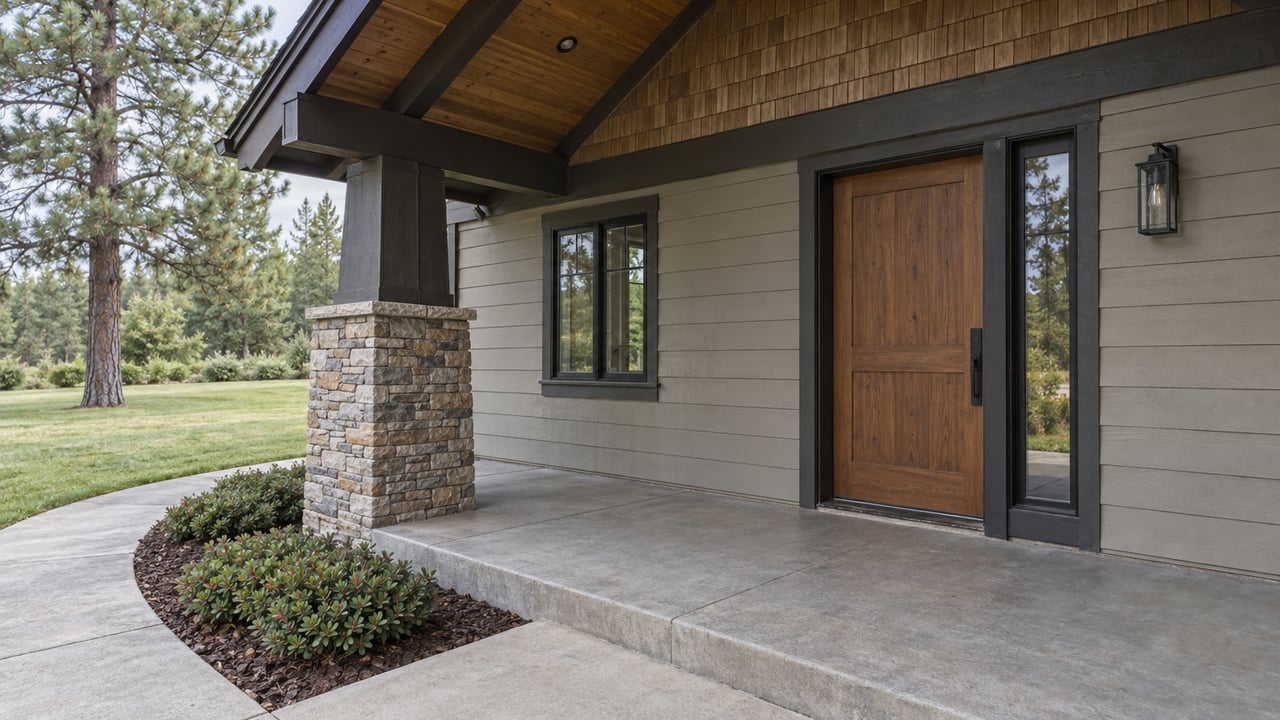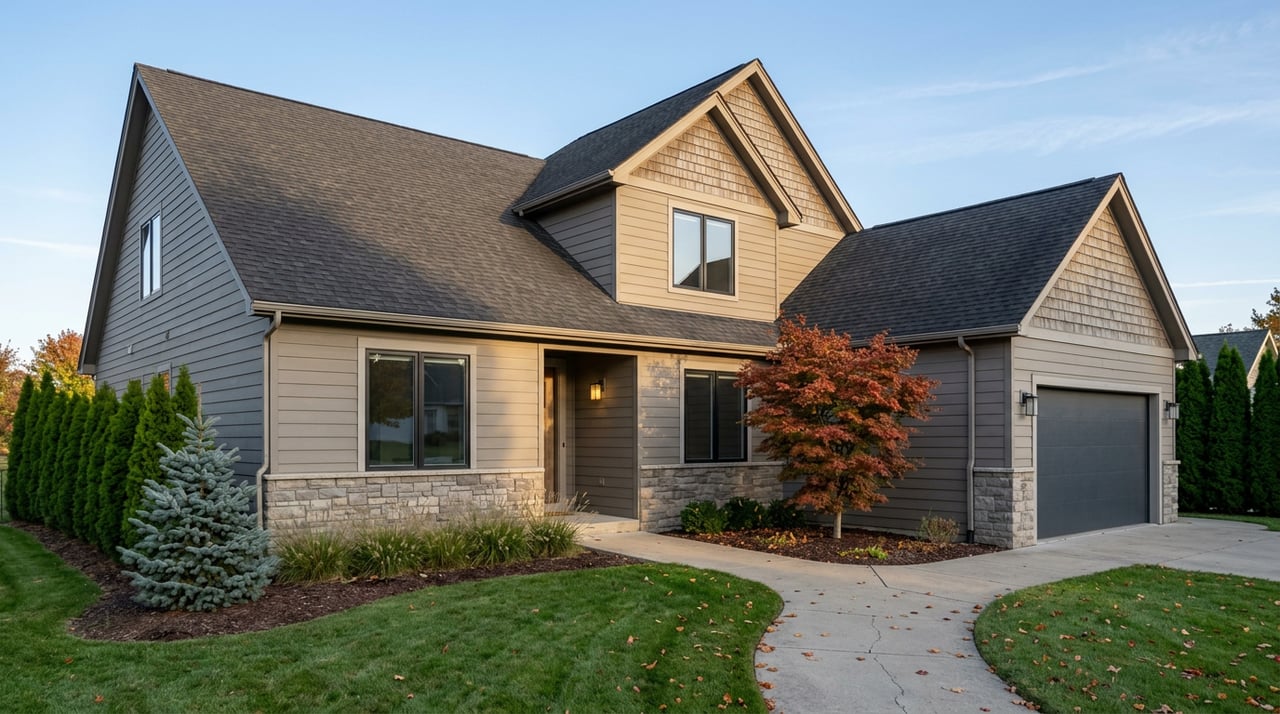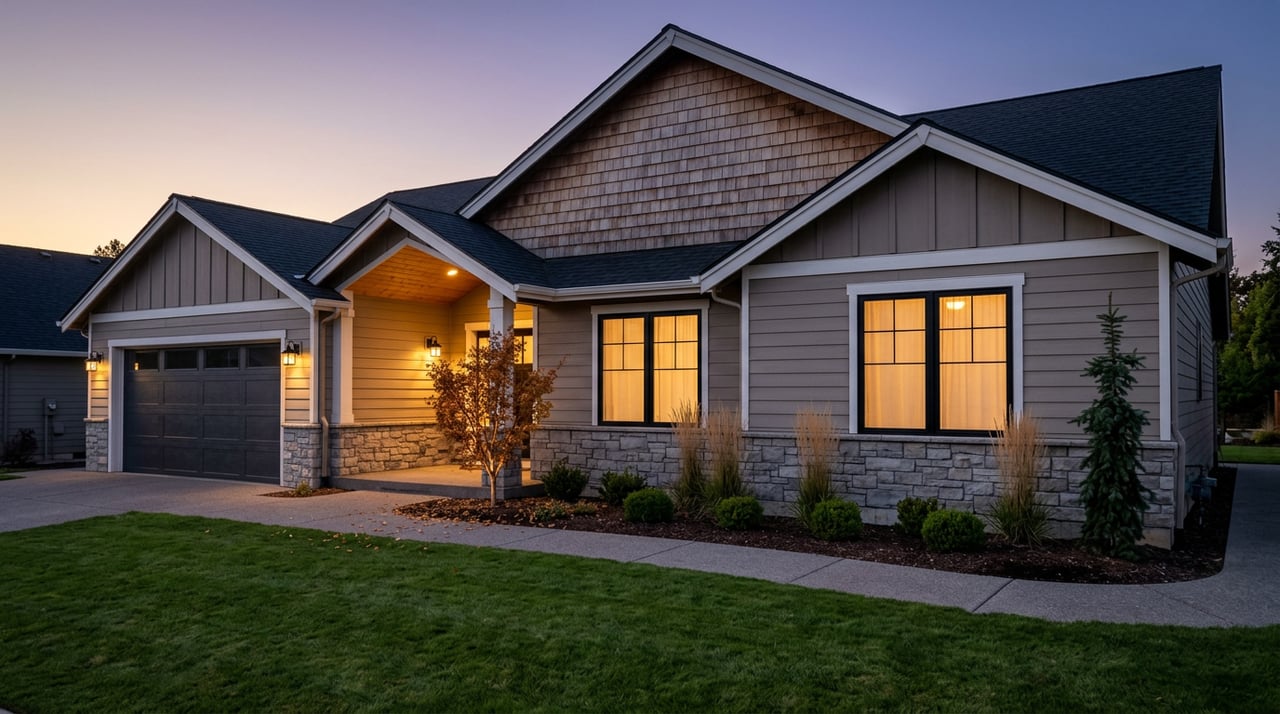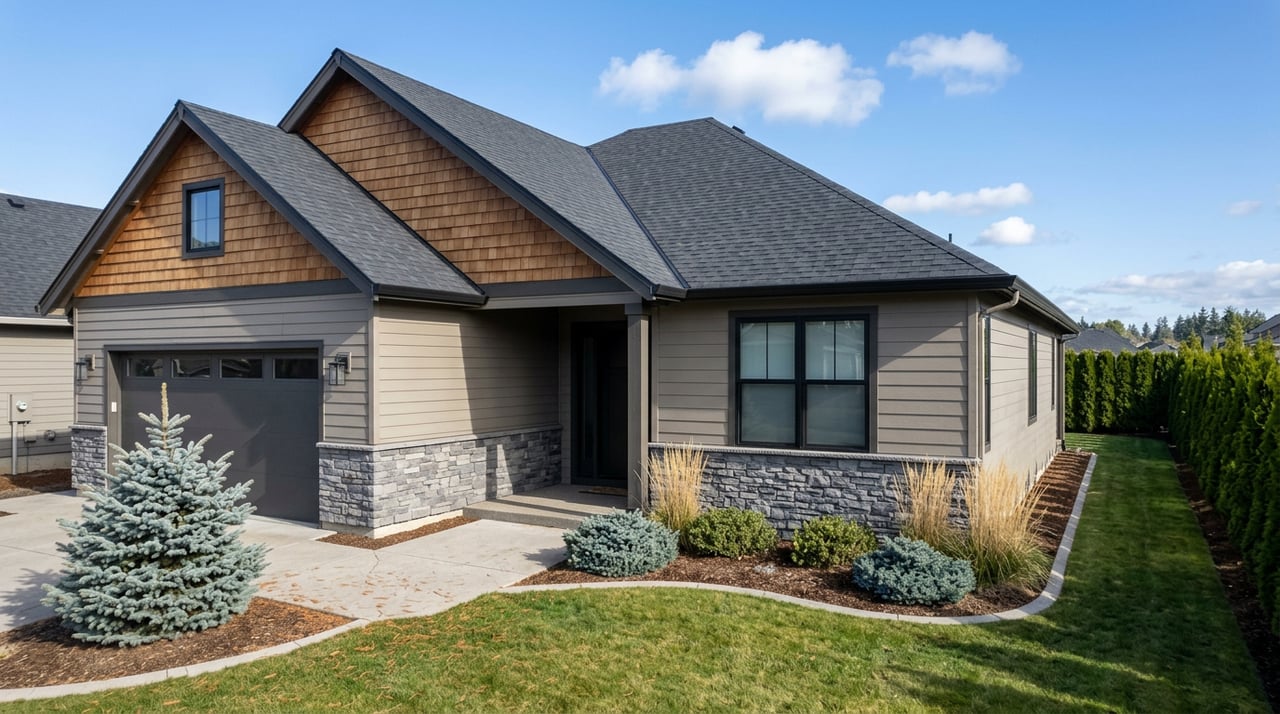
Picture two three-bedroom ramblers in Hayden, half a mile apart, built in the same decade, priced within a few thousand dollars of each other. A buyer touring both this fall would find nearly identical inspection reports. Same aquifer underneath, same distance to Government Way, same general age of roof and furnace. What neither listing sheet mentions is that the two homes likely answer to two different sewer governments, and those two governments have spent the past two years trying to end a partnership that isn't ending cleanly.
That partnership is the Hayden Area Regional Sewer Board, known locally as HARSB. If you're comparing homes in Hayden right now, understanding what's happening inside it matters more than the paint color or the patio.
A Joint Powers Agreement Older Than Most Buyers' Mortgages
HARSB traces back to 1984, when Kootenai County, the City of Hayden, and the Hayden Lake Recreational Water and Sewer District signed a joint powers agreement to build shared wastewater infrastructure. A new agreement in 1986 replaced the original and got the Regional Wastewater Treatment Plant built. The Kootenai County Airport joined in 1991, and the arrangement was amended again in 2015 and 2019 to keep three very different entities operating one plant.
The plant does something worth knowing on its own: treated effluent irrigates a reuse farm each year from May through September, watering fields and trees instead of discharging into the Spokane River. It's a genuinely well-run piece of regional infrastructure. The trouble isn't the engineering. It's the governance sitting on top of it.
The Divorce Filing
In September 2024, the City of Hayden and Kootenai County filed a letter of termination on the joint powers agreement, starting a formal negotiation window. City officials said years of trying to reach mutually workable terms with Hayden Lake had failed to protect ratepayers' interests, and City Administrator Lisa Ailport pointed to tightening state and federal regulations as a reason the city wanted more direct control over the treatment system. When reporters asked Hayden Lake Sewer District officials for comment at the time, they said they had no information to share.
By January 2025, the tone had hardened. A mediation session in Hayden City Council chambers brought Hayden Lake Sewer District board members, city officials, and county commissioners into the same room, with attorney Michael Schmidt representing the district and attorney Ben Allen serving as neutral mediator. Part of the fight was over roughly 487.78 acres HARSB owns on the Rathdrum Prairie. Hayden Lake board member Barb Neal raised concerns that the city intended to acquire that land, which city officials denied. County Commissioner Leslie Duncan noted that about 13 percent of it sits unused today, which turned "who gets the land" into a real financial question rather than a symbolic one. At one point, asked whether the district would help fund a rate study the city had commissioned, Schmidt's answer was blunt: "Sure, if our input is followed."
That's not the language of two parties close to a handshake.
The Rate Study That's Already in Motion
Here's the number that matters if you're running the math on a Hayden home purchase. A technical rate study prepared for the City of Hayden lays out the current baseline: residential sewer customers pay a flat $26 per month per dwelling unit, and commercial customers pay $26 for every 5,000 gallons.
The same study is also explicit that this number isn't stable. It states that rate increases are necessary to fund ongoing operating needs, rising HARSB operations and maintenance costs, system reinvestment, and the city's portion of HARSB's Phase I and Phase II capital project costs and debt service. In plain terms, the city's own engineers are telling the city council the bill needs to go up, independent of how the interagency split eventually resolves. Once the assets are actually divided, whichever entity inherits more of the plant's aging infrastructure inherits more of that debt, and passes it along to its own ratepayers.
Two Governments, Two Sets of Books
Here's where the "line you can't see" becomes concrete. The City of Hayden bills sewer service through its own utility billing department, with statements generated on the 16th of every odd month. The Hayden Lake Sewer District bills separately through its own system, XPress Bill Pay, and has its own quirks layered on top, including a special assessment called LID 7A that has to be paid by mail because it can't be combined with a regular online sewer payment.
These aren't two departments inside one office. They're two distinct bureaucracies with different billing cycles, different online systems, and as of the current fiscal year, different budgets. Hayden Lake Sewer District has published its own FY2026-2027 budget documents, which tells you the split initiated back in 2024 hasn't produced one merged operation. The two sides are still keeping separate books while they work out who owns what.
| Year | What happened |
|---|---|
| 1984 | Kootenai County, City of Hayden, and Hayden Lake Recreational Water and Sewer District sign the original joint powers agreement |
| 1986 | New agreement replaces it and funds the Regional Wastewater Treatment Plant |
| 1991 | Kootenai County Airport joins the partnership |
| Sept 2024 | City and County file a letter of termination, opening a formal negotiation window |
| Jan 2025 | Mediation session over land ownership and rate study terms turns contentious |
| FY2026-2027 | Hayden Lake Sewer District is still budgeting independently, per its own published financial documents |
This isn't a story about a utility bill going up a few dollars. It's a story about a shared asset being split between parties who don't yet agree on the terms, while the underlying cost of running the plant keeps climbing regardless of the outcome.
What This Means If You're Comparing Homes in Hayden
The City of Hayden itself doesn't provide water, electricity, or gas within its limits. Sewer has always been the one utility axis where the city holds direct authority, which is part of why this particular dispute carries real weight for anyone buying here. Before you get attached to a specific address, it's worth asking a few questions your agent can help you answer:
- Which entity actually bills sewer service for this specific parcel: the City of Hayden or the Hayden Lake Sewer District? The city limits sign doesn't always match the utility boundary.
- Does the property carry any special assessments layered on top of the standard bill, the way LID 7A works for some Hayden Lake Sewer District customers?
- Is the current $26 monthly rate something you can count on holding, or should you plan around the increases the city's own rate study already says are coming?
- If you're weighing two similarly priced homes, could one be positioned to inherit a larger share of the shared plant's aging infrastructure once the asset split is finalized?
None of this should scare a buyer off Hayden. It should change what you ask before you write an offer. A flat $26 monthly bill sounds like the kind of detail you can ignore. Right now, in this specific market, it's actually one of the more revealing numbers on the table, because it's a snapshot of a system still being renegotiated by three governments that don't fully agree on the terms.
FAQ
How do I find out which sewer entity serves a specific Hayden address? Contact Hayden City Hall or the Hayden Lake Sewer District directly, since the boundary doesn't always follow what you'd expect from the city limits. Your agent can also pull this before you write an offer.
Will my rate stay at $26 a month if I buy this year? There's no indication of a rate freeze. The city's own rate study says increases are needed to cover ongoing costs and the city's share of shared capital debt, so it's worth budgeting for movement rather than assuming today's number holds.
Does this affect new construction differently than resale? Not meaningfully yet. New construction in Hayden still ties into the same shared treatment network until the asset split is finalized, so the same question applies: ask which entity will actually send the first sewer bill.
Utility governance rarely makes it onto a buyer's checklist, but in Hayden this year, it belongs there. If you're weighing homes on different sides of this boundary and want a clear read on what you're actually signing up for, Cross Realty can walk the specifics with you property by property. Schedule a free consultation and we'll help you ask the right questions before you fall for the wrong house.