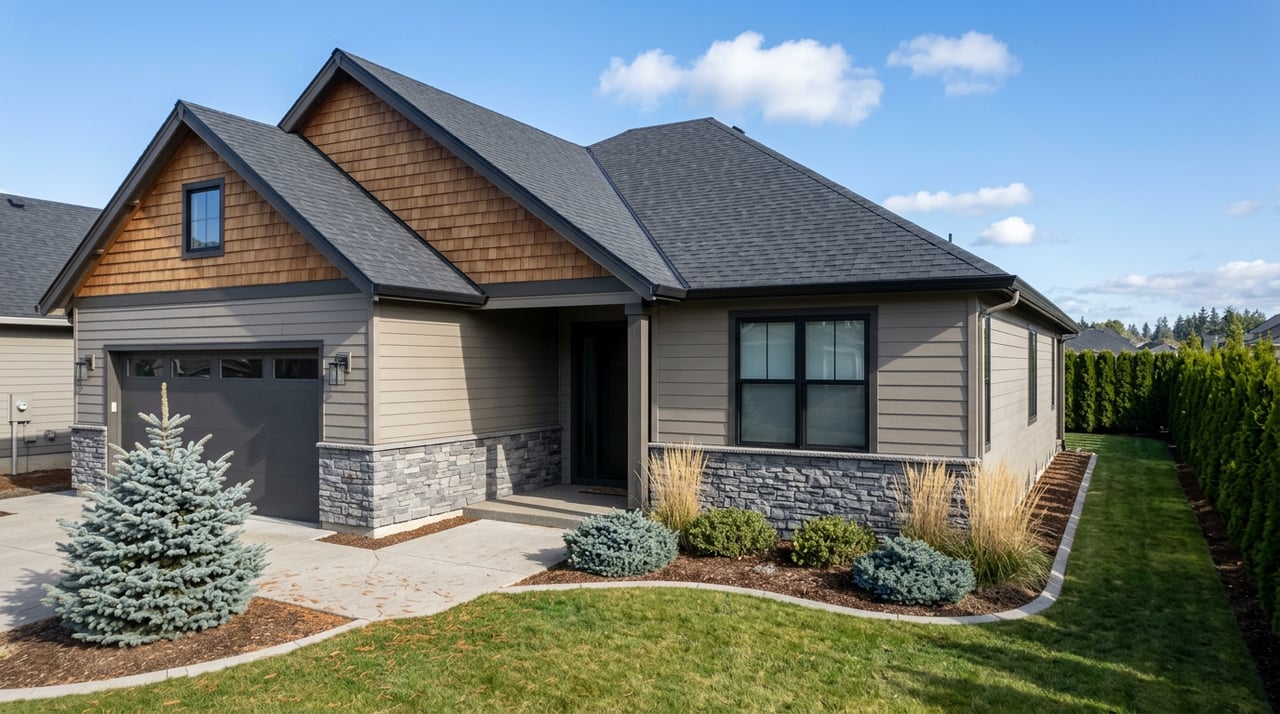
Thinking about buying or selling in a Liberty Lake neighborhood with an HOA? You are not alone. Many communities here use associations to maintain shared spaces, protect property values, and set consistent standards. This guide walks you through how HOAs work, which documents to review, how dues and reserves affect your costs, and what to expect during a sale. Let’s dive in.
Understanding HOAs in Liberty Lake
An HOA is a private, member organization that manages shared property and enforces recorded covenants in a subdivision, condominium, or planned community. In Liberty Lake, you will find single‑family subdivisions, condominiums, and larger master-planned communities that may include sub-associations. Membership and assessments are usually mandatory and tied to your deed.
These associations handle common landscaping, signage, private roads, and amenities. They also enforce community standards through recorded Covenants, Conditions and Restrictions, often called CC&Rs, and related rules. Public law typically prevails if a local ordinance conflicts with a community rule, so your HOA standards work alongside city and county regulations.
Key governing documents to review
Start with the documents that define your rights and obligations as an owner. You will want to see these early in your process.
- CC&Rs or Declaration: The controlling document that sets use rules, maintenance obligations, and assessment authority.
- Bylaws: Procedures for electing the board, holding meetings, and running association business.
- Rules and Regulations: Day‑to‑day standards for parking, pets, amenities, and similar items. These are often easier to amend than CC&Rs.
- Architectural Guidelines: Standards and approval steps for exterior changes and new projects.
- Plat maps and easements: Lot lines, common areas, and utility easements recorded with the county.
In Spokane County, CC&Rs and plat maps are recorded with the Auditor/Recorder. The City of Liberty Lake may also have municipal rules that apply to your neighborhood. If any document terms are unclear, consider discussing them with your agent and, if needed, a Washington real estate attorney.
How boards and meetings work
HOAs are typically led by an elected volunteer board with a fiduciary duty to the association. The board oversees budgeting, maintenance, rules enforcement, and contracts. Most associations hold annual member meetings and regular board meetings. Owners often have rights to receive notice and to inspect certain records such as budgets, meeting minutes, and financial statements.
Elections, quorum rules, and voting procedures are set by the bylaws. Some associations allow proxies or secret ballots for certain decisions. Good governance includes transparency, clear conflict-of-interest safeguards, and timely communication with owners.
Money matters: assessments, reserves, and insurance
Your monthly or quarterly assessment funds routine operations like landscaping, utilities for common areas, management, insurance, and amenities. Associations usually maintain two pools of money: an operating fund for regular expenses and a reserve fund for long‑term capital repairs such as roofs, paving, or pool systems.
- Reserve study: A professional assessment that helps set long‑term funding targets. A healthy reserve reduces the risk of large one‑time charges.
- Special assessments: If reserves fall short, a board may levy a special assessment for big repairs or urgent projects. Your CC&Rs and bylaws explain when owner votes are required.
- Insurance: Associations carry a master policy for common areas and, in many condos, building exteriors. You will usually carry your own homeowner policy for interiors, contents, and any deductibles specified in the declaration.
- Collections and liens: Unpaid assessments can lead to late fees, collection actions, and recorded liens. In some places, liens can lead to foreclosure. Procedures and priority vary by state and by the governing documents, so review your records and Washington guidance before you commit.
Buying a home in an HOA
When you buy, request the association documents early. A well-run transaction builds in time to get and review the full package.
What to request
- CC&Rs, bylaws, current rules and architectural guidelines
- Recent meeting minutes, typically 6 to 12 months
- Current budget and recent financial statements
- Reserve study and current reserve balance
- Master insurance certificate and deductibles that affect owners
- Any list of pending or threatened litigation
- A resale package or estoppel letter stating current assessments, delinquencies, fines, and special assessments
- Contact information for the manager or board
Negotiation points to consider
- Reserves vs. upcoming projects: Are reserves funded to recommended levels and are big repairs on the horizon?
- Special assessments: Are any planned or recently approved, and for what purpose?
- Delinquencies: High owner delinquency rates can strain budgets.
- Rules that affect your plans: Rental limits, pet rules, vehicle and parking policies, and architectural processes.
- Condition of common areas: Roofs, fencing, roads, pools, and landscaping all tell a story about maintenance.
Closing tips
- Confirm any outstanding assessments, fines, or transfer fees and how they will be paid or prorated.
- Verify the turnaround time and fee for the resale package so you stay on schedule.
- Check insurance requirements so your coverage aligns with the master policy.
Selling a home in an HOA
Sellers can reduce friction by preparing association documents before listing or early in escrow.
Prep steps for sellers
- Order the resale package or estoppel early and confirm fee and timing.
- Gather required disclosures, CC&Rs, bylaws, rules, minutes, budget, and insurance info.
- Follow any transfer procedures in the CC&Rs and confirm payoff steps for outstanding amounts.
- Anticipate buyer questions on rental policies, remodeling approvals, and reserve funding.
Liberty Lake issues to verify
Local context matters. In and around Liberty Lake, these topics commonly come up during due diligence and should be verified in documents and with local agencies.
- Master and sub-associations: Some neighborhoods are part of a larger master community. That can mean multiple assessment streams.
- Short‑term rentals: Municipal rules can apply and HOA rules may be stricter. Confirm both before you rely on rental income.
- Wildfire readiness: Parts of Spokane County face seasonal wildfire risk. Some HOAs adopt vegetation and defensible space standards.
- Private roads and stormwater: In planned subdivisions, HOAs may maintain private roads, irrigation systems, or stormwater facilities. Check the declaration and plat for maintenance responsibilities.
- Growth and new phases: New development can introduce construction activity or future obligations within master communities.
- Taxes vs. dues: Property taxes and special district levies are separate from HOA assessments. Budget for both.
Red flags to watch
Keep an eye out for issues that can affect value, livability, or future costs.
- Little or no reserve funding and no recent reserve study
- Recent or pending special assessments without clear scope or timeline
- High delinquency rates or recurring collections activity
- Ongoing or threatened litigation involving the association
- Rental restrictions that conflict with your plans
- Slow or unclear architectural approval processes
- Differences between verbal statements and what the CC&Rs actually allow
Quick buyer checklist
- Request and review CC&Rs, bylaws, rules, minutes, budget, financials, reserve study, master insurance, litigation disclosures, and the resale or estoppel letter.
- Ask about assessment increase history, upcoming projects, and reserve funding level.
- Confirm rules that affect your plans for pets, parking, exterior work, or renting.
- Inspect common areas for deferred maintenance.
- At closing, confirm payment of outstanding assessments and transfer fees.
Quick seller checklist
- Order the resale package early and confirm the timeline and cost.
- Gather all association documents and required disclosures before you list.
- Follow any transfer steps in the CC&Rs and confirm payoff procedures.
- Prepare answers to common buyer questions on rentals, remodeling approvals, and reserves.
Work with a local guide
HOA details can shape your day‑to‑day experience, your budget, and your resale value. A local team familiar with Liberty Lake communities can help you interpret documents, coordinate with managers and title, and keep your transaction on track. If your plans involve new construction, land, or a move across the Idaho‑Washington line, a cross‑jurisdiction perspective adds real value.
If you are preparing to buy or sell in a Liberty Lake HOA, connect with a trusted local advisor. Reach out to Ray Cross for neighborhood insight and a clear plan from consultation to closing.
FAQs
What is an HOA and how does it work in Liberty Lake?
- It is a private association that manages common property and enforces recorded covenants; many Liberty Lake communities use HOAs to fund maintenance, set standards, and run amenities.
What is an HOA resale or estoppel certificate for a Liberty Lake home?
- It is the association’s written statement of assessments, delinquencies, fines, and relevant disclosures; buyers review it to confirm no hidden liabilities before closing.
Can an HOA foreclose for unpaid dues in Washington?
- Many associations can record a lien and, in some places, foreclose for unpaid assessments; specifics depend on Washington law and the governing documents.
How much are HOA dues in Liberty Lake neighborhoods?
- Dues vary by community type and amenities; review the current budget and resale certificate to understand the monthly or quarterly amount and what it covers.
Are short‑term rentals allowed in Liberty Lake HOAs?
- Some associations restrict short‑term rentals and local municipal rules may also apply; verify both the HOA documents and city or county requirements before renting.
What should I check about HOA reserves before buying?
- Look for a recent reserve study, the current reserve balance, and whether upcoming projects are funded; low reserves may signal higher future assessments.
How long does it take to get an HOA resale package?
- Turnaround times and fees vary by association; some deliver in a few business days while others take longer, so build this into your escrow timeline.